Getting Your Commercial Driver's License
Everything you need to know about the CDL process and requirements in Georgia.
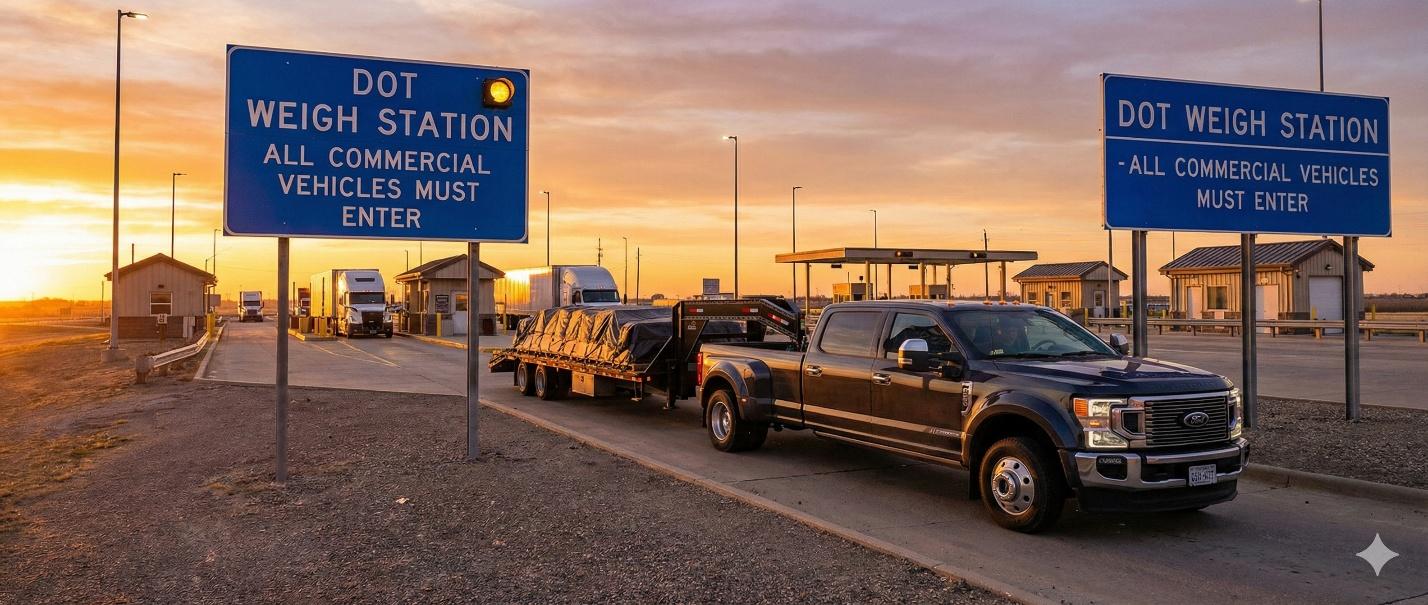
Why Get a CDL?
A Commercial Driver's License opens doors to numerous career opportunities in the transportation industry. With a CDL, you can operate commercial vehicles and access higher-paying jobs with excellent benefits.
Career Opportunities:
- Long-haul Trucking: Interstate and regional routes
- Local Delivery: Last-mile delivery services
- Specialized Hauling: Oversized and hazardous materials
- Passenger Transport: Bus and motorcoach operations
Salary Expectations
Entry Level: $45,000 - $55,000 annually
Experienced: $65,000 - $85,000 annually
Specialized: $85,000 - $120,000+ annually
Basic Requirements
Age and Residency
- Minimum 18 years old for intrastate driving
- Minimum 21 years old for interstate driving
- Valid Georgia driver's license
- U.S. citizenship or lawful permanent residency
Physical and Medical Requirements
- DOT physical examination
- 20/40 vision (with or without correction)
- Ability to hear a forced whisper at 5 feet
- Blood pressure under control
Background Requirements
- Clean driving record
- Background check for hazardous materials endorsement
- Entry-Level Driver Training (ELDT) completion
CDL License Types Explained
Understanding the different classes of Commercial Driver's Licenses and their applications.
Class A CDL
Combination Vehicles
Allows operation of combination vehicles with a gross combination weight rating (GCWR) of 26,001 pounds or more, provided the gross vehicle weight rating (GVWR) of the vehicle being towed is more than 10,000 pounds.
Typical Vehicles:
- Tractor-trailers
- Truck and trailer combinations
- Livestock carriers
- Flatbeds
Best For: Long-haul trucking, hotshot hauling with larger trailers, car hauling
Class B CDL
Heavy Straight Vehicles
Permits operation of single vehicles with a GVWR of 26,001 pounds or more, or any vehicle towing another vehicle not in excess of 10,000 pounds GVWR.
Typical Vehicles:
- Large buses
- Box trucks
- Dump trucks
- Delivery trucks
Best For: Local delivery, passenger transport, construction vehicles
Class C CDL
Small Vehicles
Allows operation of vehicles designed to transport 16 or more passengers (including the driver) or used in the transportation of hazardous materials.
Typical Vehicles:
- Small buses
- Hazmat vehicles
- Passenger vans
Best For: Passenger transport, hazardous materials transport
CDL Endorsements
Additional endorsements expand your driving privileges and increase your earning potential:
N - Tank Vehicles
Transport liquids or gases in bulk
H - Hazardous Materials
Hazmat transportation
P - Passenger
Transport 16+ passengers
S - School Bus
School bus operations
Step-by-Step CDL Process
Your complete roadmap to obtaining your Commercial Driver's License in Georgia.
Phase 1: Preparation (Weeks 1-2)
Obtain CDL Manual
Download the Georgia CDL Manual from the DDS website or visit a local office.
Schedule DOT Physical
Complete your Department of Transportation medical examination with a certified medical examiner.
Study for Knowledge Tests
Review the CDL manual and prepare for the general knowledge and endorsement exams.
Gather Required Documents
Collect identification, proof of residency, and medical certification documents.
Phase 2: Testing and Training (Weeks 3-4)
Pass Knowledge Tests
Visit DDS to take and pass the CDL knowledge exams for your desired license class and endorsements.
Obtain Commercial Learner's Permit
Receive your CLP, which allows you to practice driving commercial vehicles with a qualified CDL holder.
Complete Entry-Level Driver Training
Enroll in and complete FMCSA-approved ELDT program with theory and behind-the-wheel training.
Practice Driving
Gain experience driving commercial vehicles under supervision for at least 14 days.
Phase 3: Skills Testing (Week 5-6)
Pre-Trip Inspection
Demonstrate knowledge of vehicle systems and safety checks
Basic Vehicle Control
Complete backing maneuvers and parking exercises
On-Road Driving
Demonstrate safe driving skills in various traffic conditions
CDL Study Resources & ELDT Requirements
Essential resources and training requirements to help you succeed in obtaining your CDL.
Study Materials
Official Resources
- Georgia CDL Manual: Complete guide to CDL requirements and regulations
- CDL Practice Apps: Mobile apps with practice questions
- Online Videos: Pre-trip inspection demonstrations
- Study Groups: Connect with other CDL candidates
Practice Tests
Regular practice testing helps identify knowledge gaps and builds confidence for the actual exams.
Study Tips
- Study in 30-45 minute sessions
- Focus on one section at a time
- Take practice tests regularly
- Review missed questions thoroughly
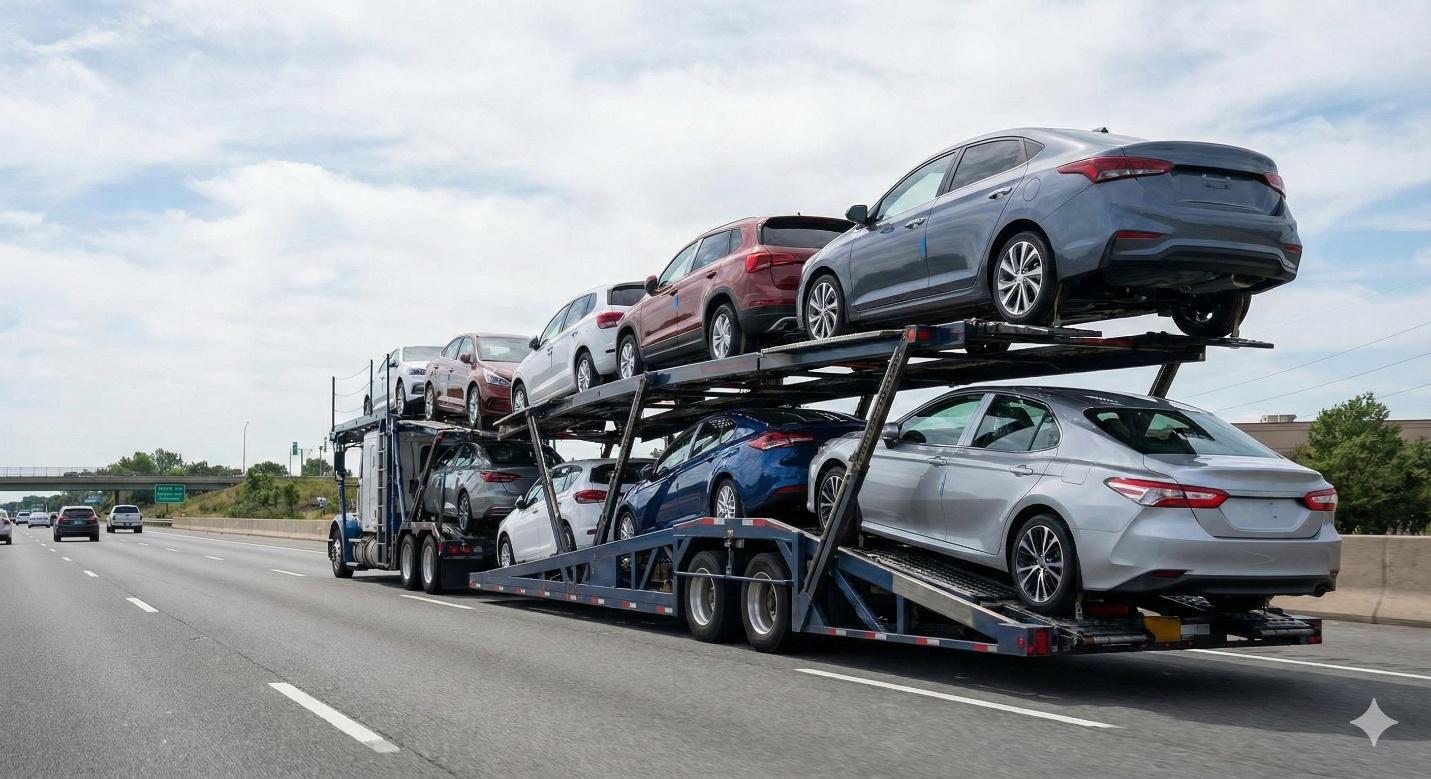
Entry-Level Driver Training (ELDT)
FMCSA requires all new CDL applicants to complete approved Entry-Level Driver Training before taking the skills test.
ELDT Requirements
- Theory Training: Minimum classroom instruction hours
- Behind-the-Wheel: Range and public road training
- Certification: Training provider must be FMCSA registered
- Record Keeping: Training completion recorded in FMCSA database
Our ELDT Program
Car Hauling Academy of Atlanta is an approved FMCSA training provider offering comprehensive ELDT programs that exceed minimum requirements.
Program Length: 4-6 weeks depending on license class and endorsements
Top 5 Benefits of Getting Your CDL
Higher Earning Potential
CDL holders earn 30-50% more than non-commercial drivers
Job Security
High demand for qualified commercial drivers nationwide
Travel Opportunities
See the country while getting paid
Career Advancement
Multiple paths for growth and specialization
Independence
Opportunity to become an owner-operator
Ready to Start Your CDL Journey?
Join our comprehensive CDL training program and launch your career in commercial driving. We provide the knowledge, skills, and support you need to succeed.